


Back health · general information
How to help prevent lower-back pain
There is no guaranteed way to prevent every episode of back pain. Regular movement, progressive strength and sensible load management can help you build capacity and confidence.
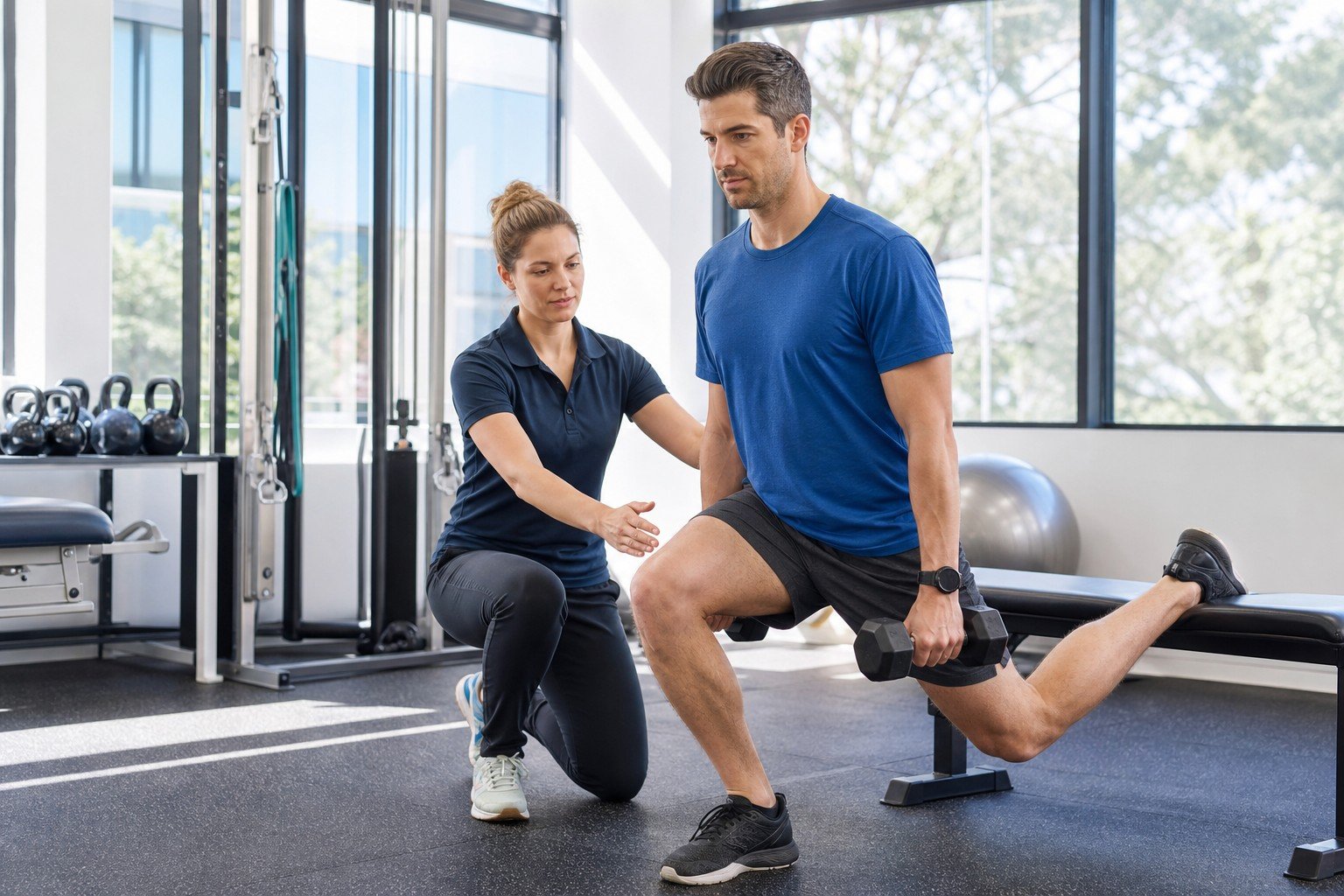
Focus on capacity, not a perfect posture
Back pain usually has more than one contributing factor. There is no single “perfect” posture that prevents it. Aim for a comfortable setup, change position when one position becomes uncomfortable and build tolerance for the activities your life requires.
Move regularly
Long periods in one position can feel uncomfortable for some people. Short walks, movement breaks or a change of task may help. The useful amount varies, so choose a routine you can maintain rather than chasing a rigid timetable.
General physical activity supports health and can help many people with ongoing non-specific low-back pain. Walking, swimming, cycling, gym training and home exercise can all be reasonable options.
Build strength progressively
Your back, trunk, hips and legs all contribute to everyday movement. A useful strength program is one you can perform regularly and progress gradually. It does not need to isolate a single “core” muscle, and soreness is not the only measure of benefit.
- Start at a manageable load and range.
- Increase one variable at a time, such as weight, repetitions or frequency.
- Allow recovery between demanding sessions.
- Adjust during a flare rather than abandoning activity completely.
Manage lifting demands
There is no single lifting technique that suits every person and task. Use a comfortable strategy, keep the load manageable, bring it close when practical and build lifting exposure gradually. Use help or equipment where a load exceeds your capacity or workplace limit.
For a closer look at lifting positions, read Is bending your back when lifting bad?
Support recovery
Sleep, stress, recovery time, general health and confidence can all influence pain and activity. Perfect control is neither possible nor required. Small sustainable changes—such as regular activity, adequate recovery and gradual exposure to valued tasks—are usually more practical than avoiding movement.
When to seek an assessment
Many episodes of back pain improve over time. Consider assessment sooner if pain is severe, worsening, follows significant trauma, repeatedly limits function or is not improving as expected. A clinician can help when you are unsure how to restart work, exercise or lifting.
Urgent warning symptoms
Call Triple Zero (000) or seek urgent medical assessment for new bladder or bowel difficulty, numbness around the saddle area, rapidly worsening weakness, major trauma, fever with serious illness or another time-critical concern.
Sources and further reading
- Healthdirect: back pain overview
- Australian Low Back Pain Clinical Care Standard
- RACGP: exercise for ongoing low-back pain
Important: This is general information, not a diagnosis or individual medical advice.
Build a plan for your activities
If back pain is limiting work, lifting, exercise or daily life, our physiotherapists can assess the presentation and help plan an appropriate progression.